
Your home in New York isn’t just a place to live — it’s one of your biggest investments. But no matter how much you care about your roof, siding, or landscaping, there’s one silent system many homeowners completely overlook… until disaster strikes.
Your gutters.
Gutters play a quiet but critical role: they channel rainwater away from your home’s roof, walls, and foundation. When they fail, even small problems can turn into expensive repairs — especially here in New York, where seasonal weather swings from heavy spring rains to snowy winters with freeze-thaw cycles. Yet, much of the damage caused by faulty gutters can be prevented — if you know what to look for.
The Gutter Myth: “They’re No Big Deal”
Many homeowners treat their gutter system like an afterthought — cleaning it once in a while, or only noticing a problem when water starts pouring over the edges. But by then, the underlying issue may have already caused roof leaks, wood rot, basement flooding, or foundation damage.
EcoPro® Power Washing, Inc. has worked with hundreds of New York homeowners who thought their gutters were fine — until a storm or winter freeze proved otherwise.
Let’s walk through the most common gutter problems that often go unnoticed… until it’s too late.
Debris Buildup and Clogs — The Silent Culprit
Your gutters may look fine from the ground — until it rains.
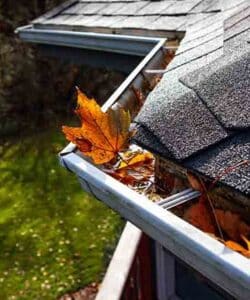
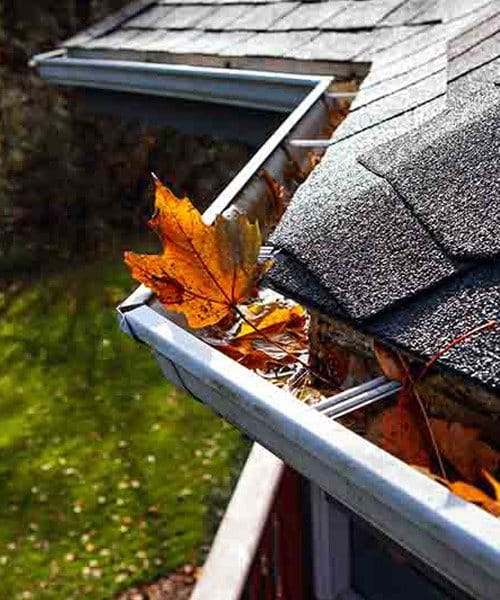
Leaves, twigs, pine needles, and other debris accumulate over time, especially here in New York, where trees and seasonal storms are common. When that stuff builds up, water can’t flow properly toward the downspouts. Instead, it backs up, spills over the sides, and soaks your home’s exterior.
Clogging doesn’t just cause overflow — it creates a domino effect:
- Water pools and adds weight to your gutters
- Gutters begin to sag or pull away from your home
- Water gets trapped against the fascia boards, leading to wood rot
- Soil erosion and foundation damage begin right at the base of your home
What looks like a minor blockage today can lead to a major headache tomorrow.
Improper Slope — Hidden But Serious
After debris, one of the most overlooked issues is improper gutter pitch — the angle at which gutters are installed.
Gutters must direct water toward downspouts efficiently. If they’re too flat, water pools; if they’re pitched the wrong way, water can collect in spots and never drain fully.
Standing water is never good — it:
- Makes gutters heavier and more likely to sag
- Creates a breeding ground for mosquitoes and pests
- Increases the risk of leaks and structural damage
This problem rarely shows up until you see water overflowing — and by then, damage may already be underway.
Loose Fasteners and Sagging Sections
Your gutters are held on by brackets and fasteners — but those can loosen over time, especially with New York’s temperature fluctuations. When fasteners fail, gutters begin to sag, tilt, or pull away from the roofline.
Sagging gutters don’t just look bad — they fail at their job:
- They can no longer channel water effectively
- Water spills over, rather than through, the system
- Fasteners eventually fail, risking sections breaking off
One overlooked sign is gutters that appear uneven from the ground — a quiet warning that big problems may be ahead.
Cracks, Splits, and Hidden Leaks
Small cracks in gutters might seem harmless — but those tiny openings let water escape at the wrong place and wrong time.
Leaks can:
- Damage siding and exterior paint
- Rotting wooden fascia and soffits
- Allow water to reach the insulation and interior walls
These cracks often start small and slowly widen over time — especially around seams and downspout connections. Regular inspections are critical because once water starts damaging your home’s structure, repairs become expensive fast.
Downspout Blockages
Most homeowners think only the gutter troughs matter — but the downspouts are just as important.
When debris gets packed into a downspout:
- Water backs up into the gutter
- The entire system slows
- Overflow occurs even on mild rain events
This problem is easy to overlook because the downspouts aren’t always visible from common vantage points — until it rains.
Seasonal Damage — Especially Winter Ice Dams
New York winters bring challenges other regions don’t face.
When snow melts on your roof and refreezes at the gutter edge, it creates ice dams — thick ridges of ice that block water from draining properly. These dams force water under shingles and into your roof system.
Ice dams:
- Add heavy weight to gutter systems
- Cause repeated freeze-thaw pressure
- Lead to hidden water intrusion behind your walls
Homeowners often overlook ice dam risk until they spot interior staining, attic moisture, or damaged shingles.
Foundation & Landscaping Damage
The whole point of gutters is to take water away from your home. When they don’t do that, water can pool around your foundation or wash out yard landscaping.
Left unchecked, this can:
- Crack foundation walls
- Cause basement leaks
- Erode soil near your home’s base
This isn’t just about aesthetics — it’s about protecting the structural integrity of your home.
Why Most Homeowners Don’t Catch These Early
Here’s a harsh truth: gutters are often “out of sight, out of mind.” People focus on paint, roofing, windows — but gutters? They’re just pipes on the edge of the house.
Yet experts repeatedly stress that regular inspection and maintenance can prevent major expenses down the line.
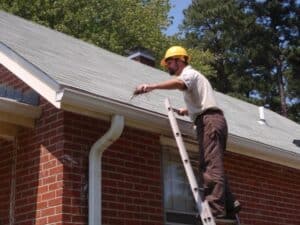
And while DIY cleaning sounds tempting, it often leads to mistakes — from incorrect slope adjustments to safety hazards — that professionals are trained to avoid.
Make Your Gutters Work for You — Not Against You
At EcoPro® Power Washing, Inc. in New York, we help homeowners uncover what others overlook — before water damage becomes costly. Gutters may be small parts of your exterior, but they have big responsibilities. When they fail, everything from your roof to your foundation is at risk.
Don’t wait for the next storm, snow melt, or heavy rain to expose hidden gutter problems.